Southern delights and off-the-beaten path charms of Japan: KYUSHU GUIDE
Produced for Japan National Tourism Organization by BBC Storyworks.
Please always refer to the latest government advice before booking travel and departing on any trip.
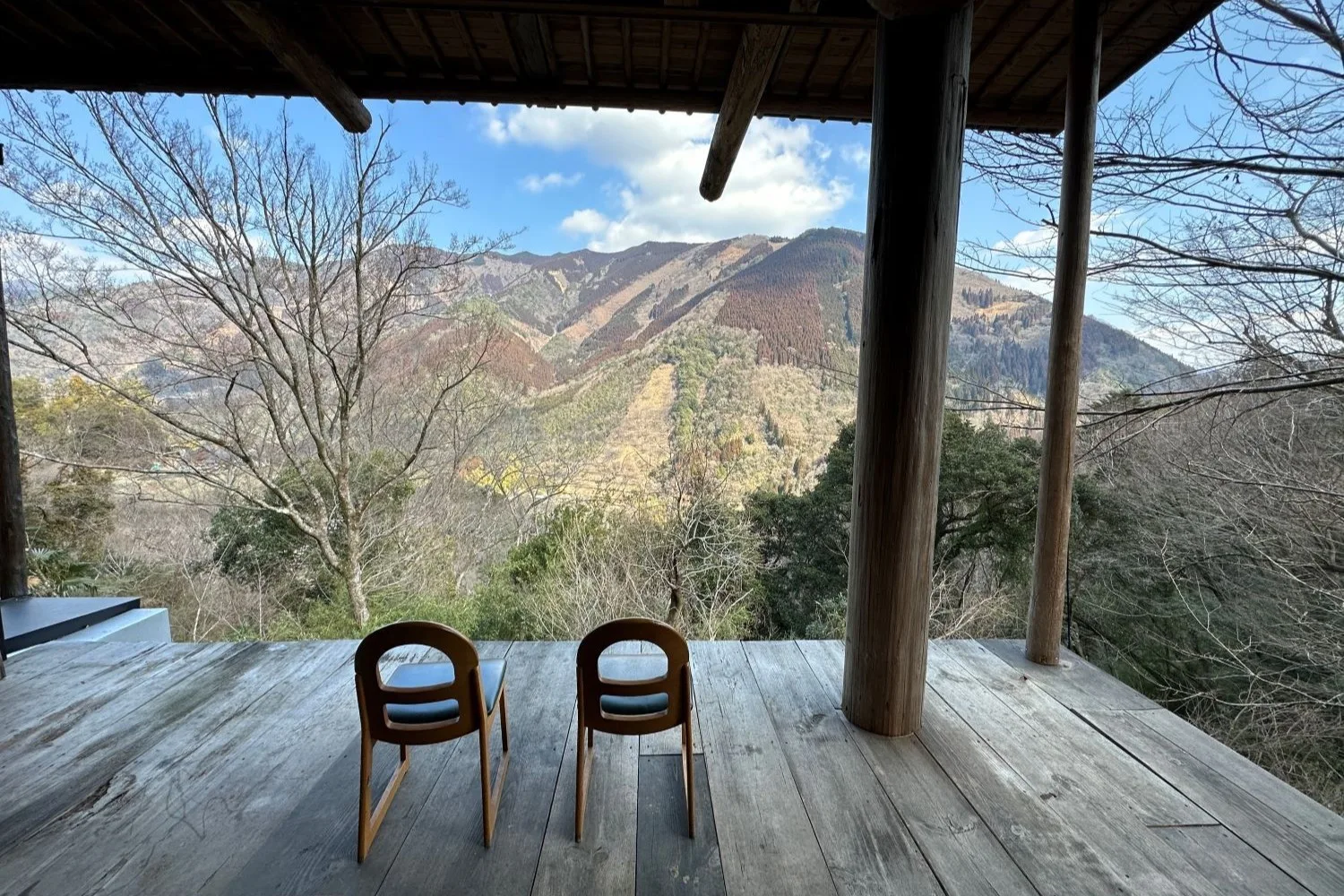
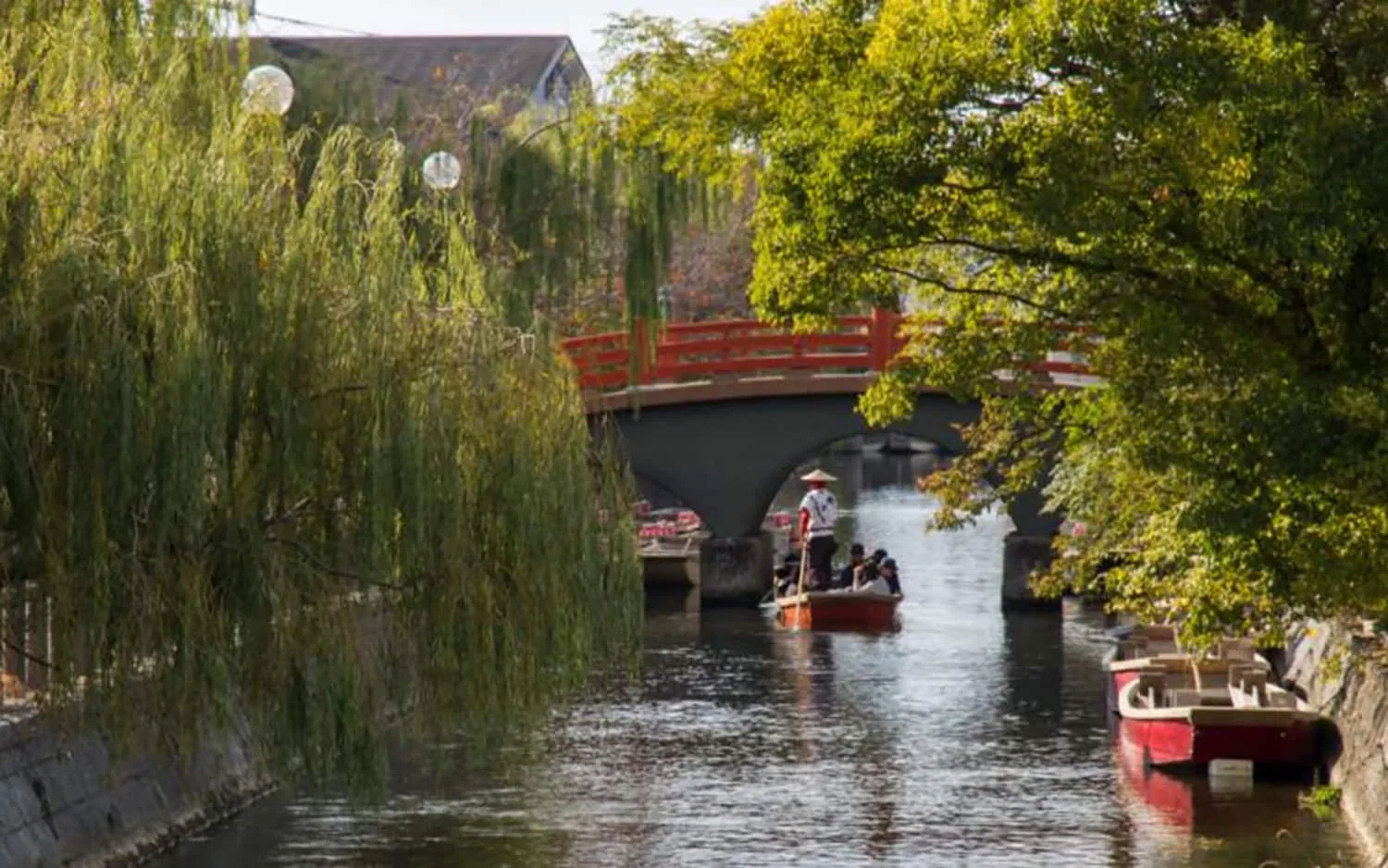
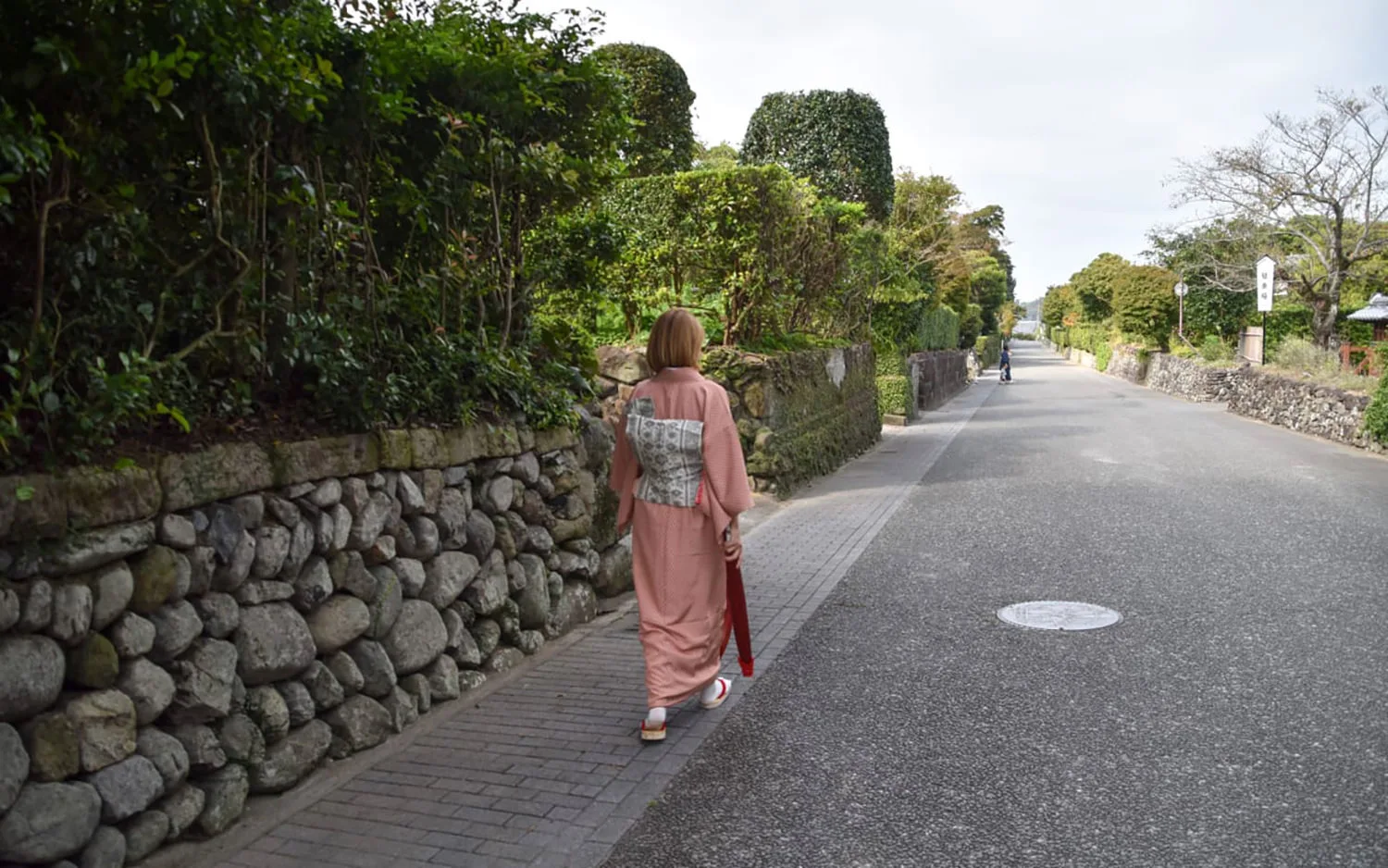
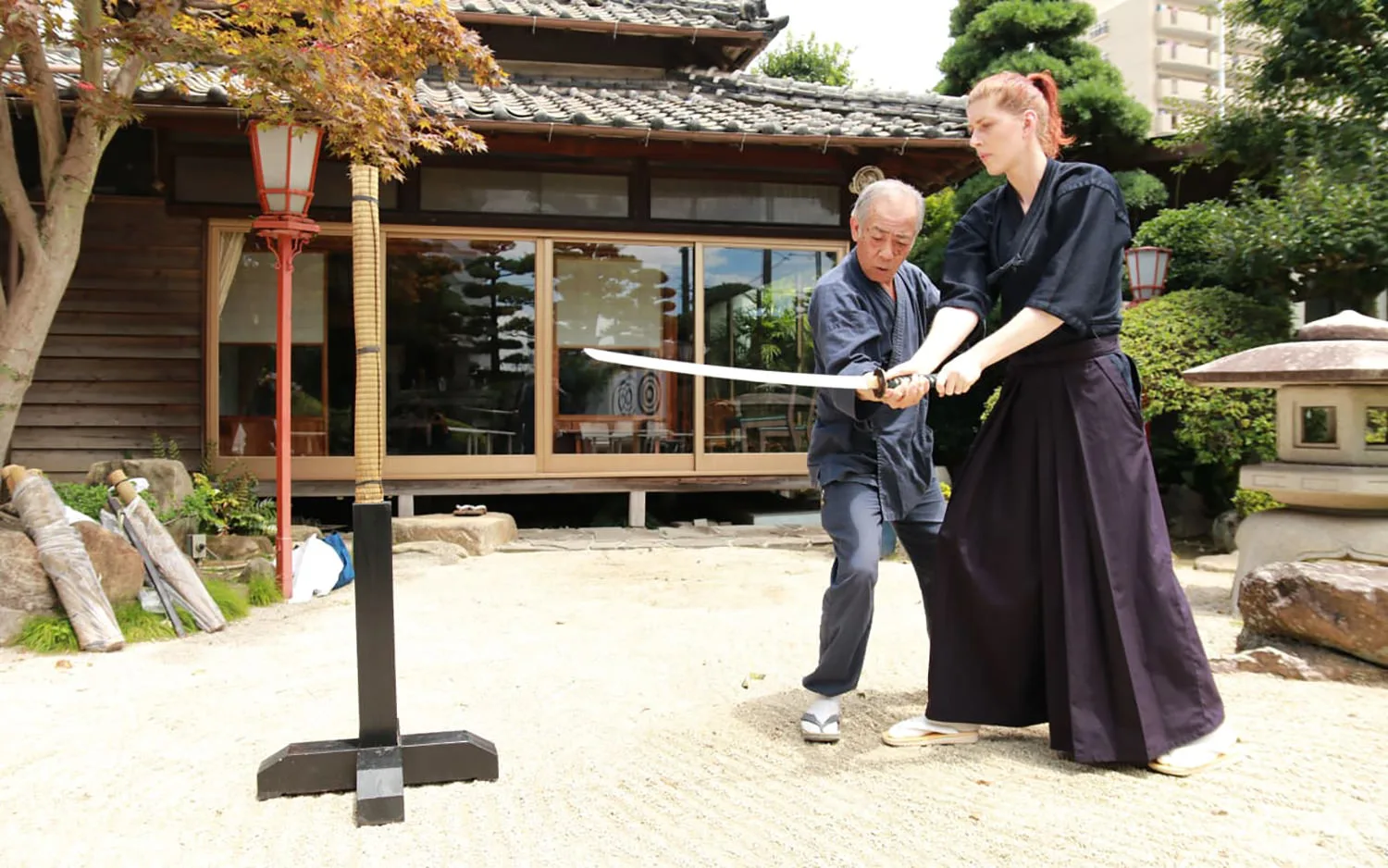
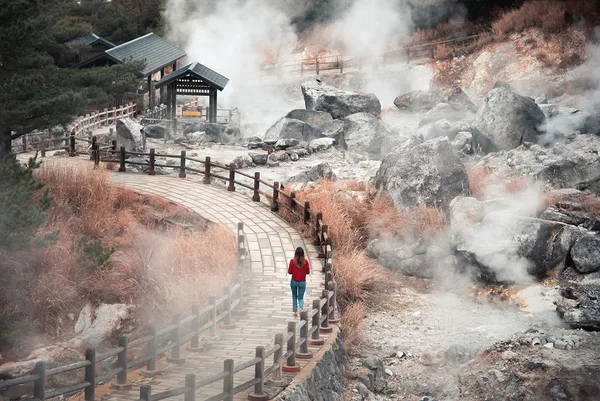
Kyushu, the southernmost of Japan's four main islands, welcomes you to explore a captivating blend of nature, history and culinary delights that are distinctively Japanese, but unlike the country's other regions. Home to some of Japan's earliest settlers, and the legacy of the samurai, the region is known to hold some of Japan's best-preserved cultural treasures across generations. The result is what some might describe as "cultural continuity".
Shaped by sacred volcanic pathways and surrounded by ocean, Kyushu is accessible but unspoilt, according to Alex Bradshaw, founder of Gotoku, a travel consultancy in the region.
“Kyushu's charm lies in a rich blend of unfiltered local life, deep-rooted culture and diverse natural landscapes. Positioned far from Tokyo, each of Kyushu's seven prefectures has developed its own distinct character.""
Journey to Kyushu and learn what makes it the quiet muse of foodies, cultural enthusiasts, nature lovers and those who want to light a fire in their soul through their adventures in Japan.
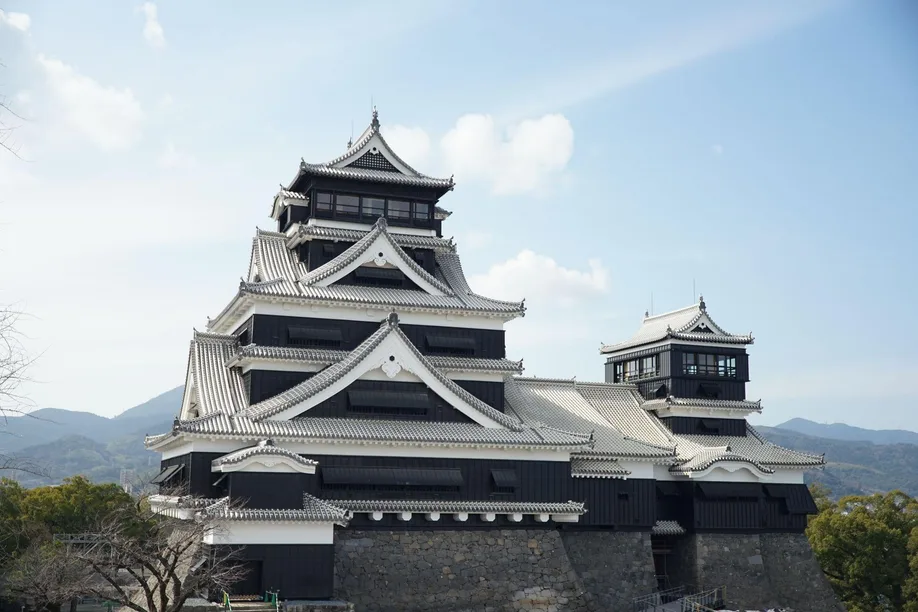
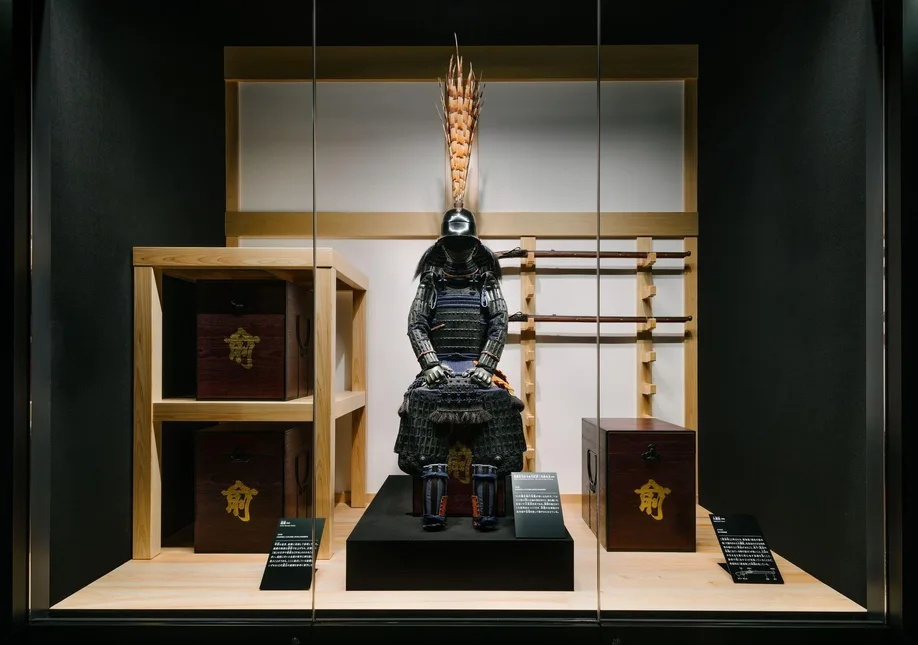
Our adventure starts in Kumamoto Prefecture, centrally located in Kyushu and a city where the spirits of samurai still seem to linger. Explore the impressive Kumamoto Castle, a masterpiece of medieval military engineering constructed between 1601 to 1607. The castle was once considered impenetrable, and you can wander through its grounds imagining how samurai warriors once lived and trained within these walls. Although the castle was damaged during an earthquake in 2016, its tower has been meticulously restored, and ongoing efforts continue to rebuild the stone walls and other parts of this iconic structure.
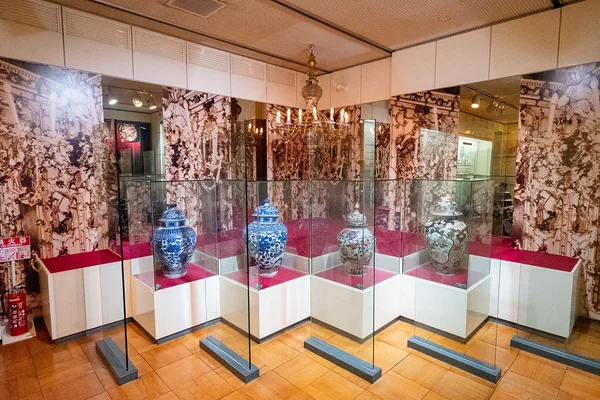
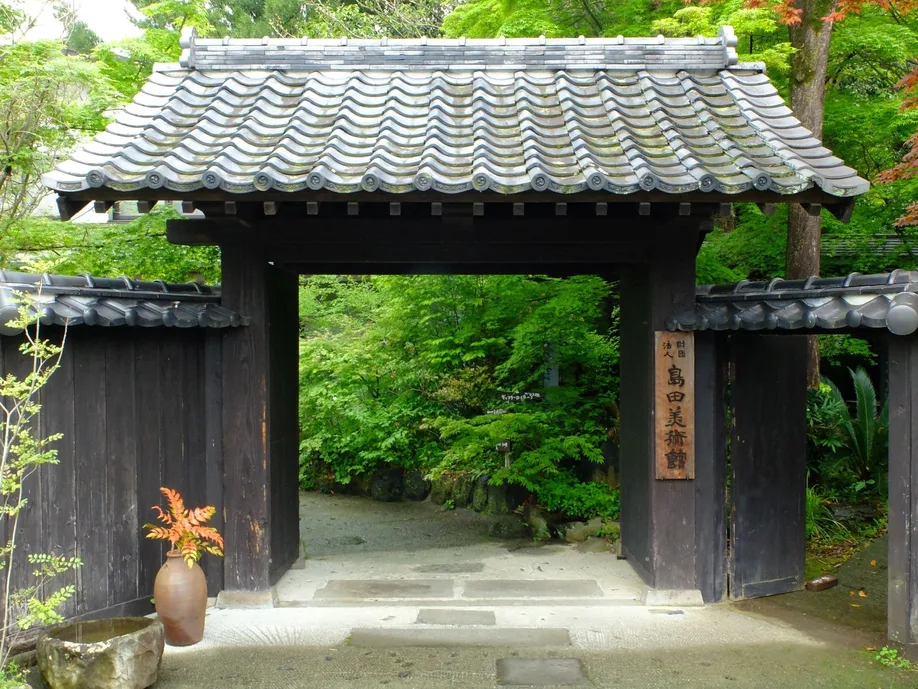
Discover more of the city's samurai legacy at the Shimada Museum of Art, where ancient artefacts such as swords, armour and calligraphy offer storied glimpses into the lives of these legendary warriors.
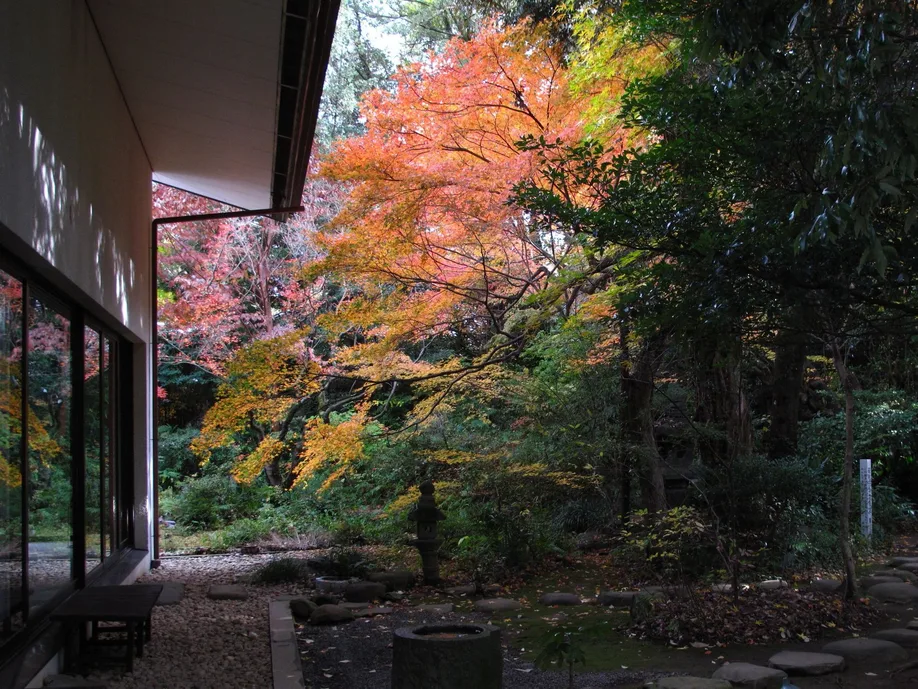
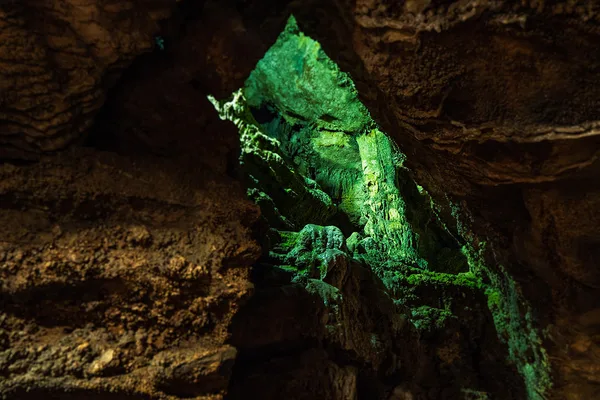
Reigando Cave, on the outskirts of the city, is a place of pilgrimage for those seeking to connect with the spirit of the samurai. It is in this tranquil grotto that the legendary swordsman Miyamoto Musashi wrote his masterpiece “The Book of Five Rings”. Experience the cave's depths and perhaps you might find inspiration in its quiet solitude the same way he did.
Head west to Nagasaki Prefecture, where another vital chapter of Kyushu's history is revealed. While it may now seem synonymous with the 1945 atomic bombing, this city was once Japan's indispensable link to the West, providing the country's only access to international trade, technology and culture for more than two centuries. Dejima, once a 15,000 square miles man-made island, was the country's first international trading post, and the only place in the country where non-Japanese merchants were allowed to live during the Edo period (1603-1867). Today, it has been painstakingly reconstructed as an open-air museum where you can wander through buildings filled with exhibits that are a unique merger of Dutch and Japanese culture. Discover how this unique outpost served as an enclave for a fascinating exchange of goods and ideas during an era of isolation.
If you want to see more, head to nearby Glover Garden, a scenic open-air museum located on a hillside, where several Western-style mansions from the Meiji era (1868-1912) are on display. Make sure to find an outdoor seat and grab a drink from one of the cafes as you take in the stunning views of Nagasaki harbour and the surrounding landscapes.
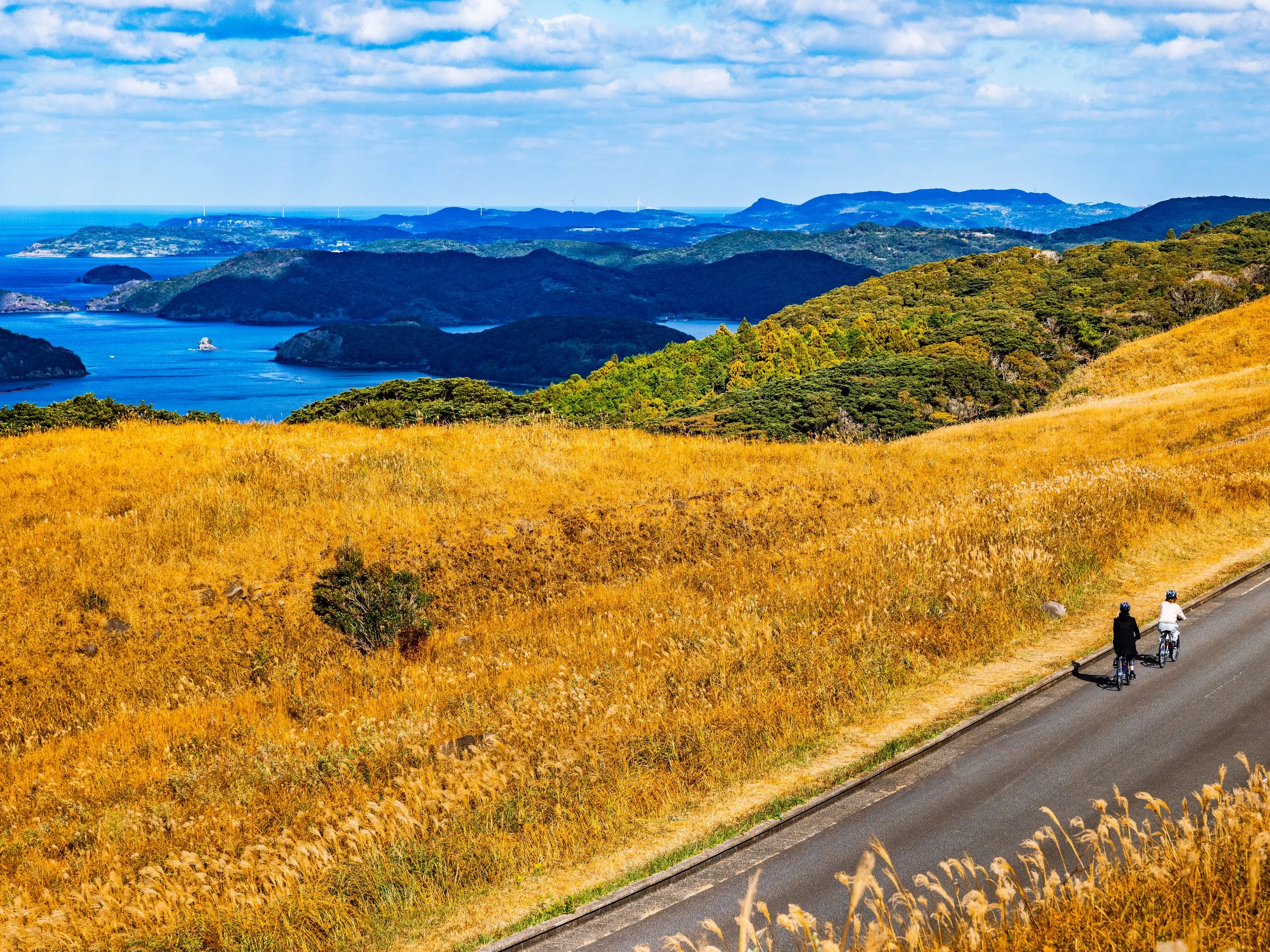
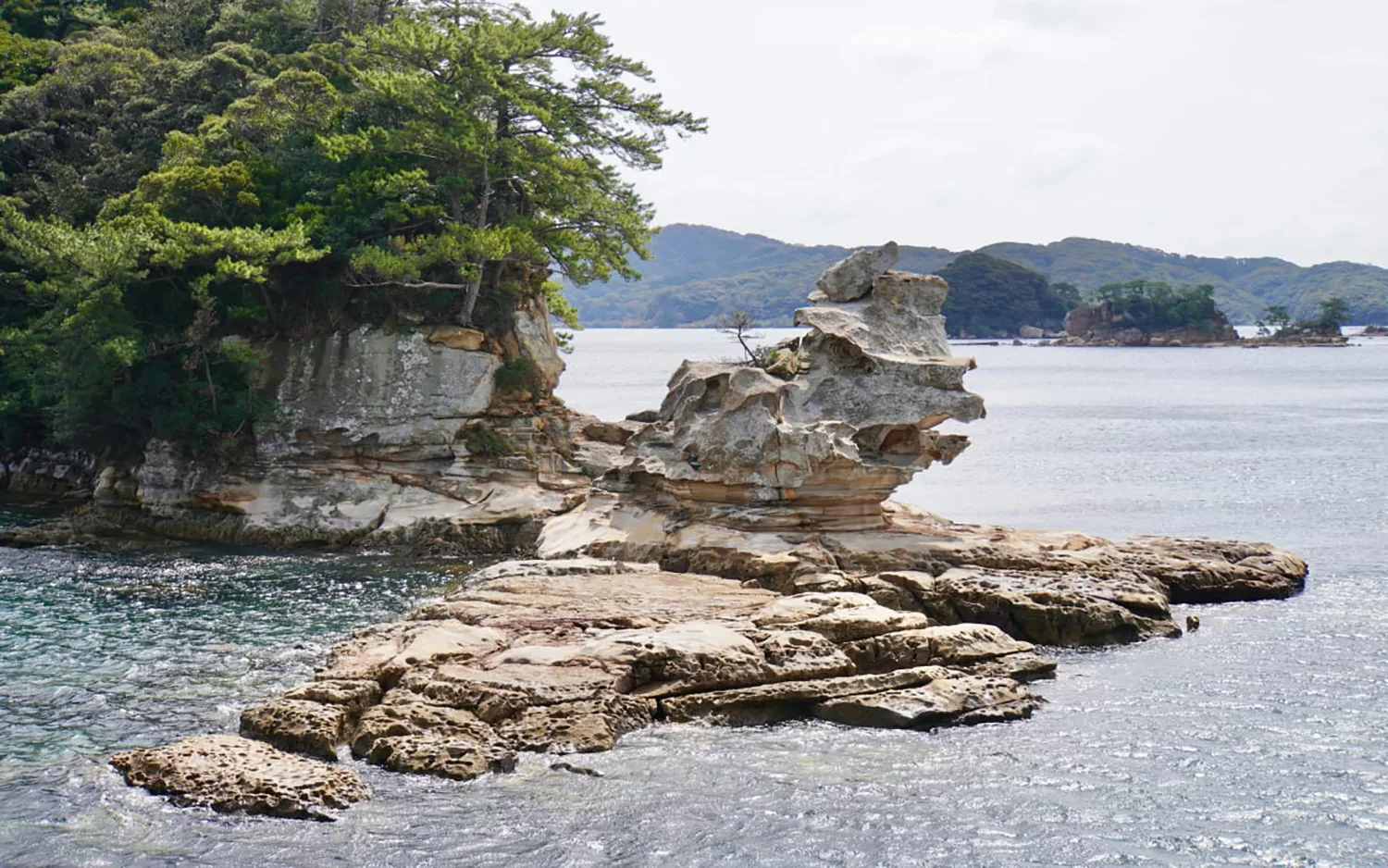
If you're looking to uncover another piece of Kyushu's vivid history, a visit to the Goto Islands should also be on your list. This archipelago off the coast of Nagasaki offers not only beautiful landscapes and ocean views, but also a glimpse into the unique Christian heritage of Japan. The religion was banned in the country until the late 19th Century, forcing its followers to practice their faith in secret until then. A significant number of them fled to these islands, leaving behind fascinating cultural footprints and a landscape dotted with about 50 churches, a collection of which became a designated Unesco World Heritage site in 2018.


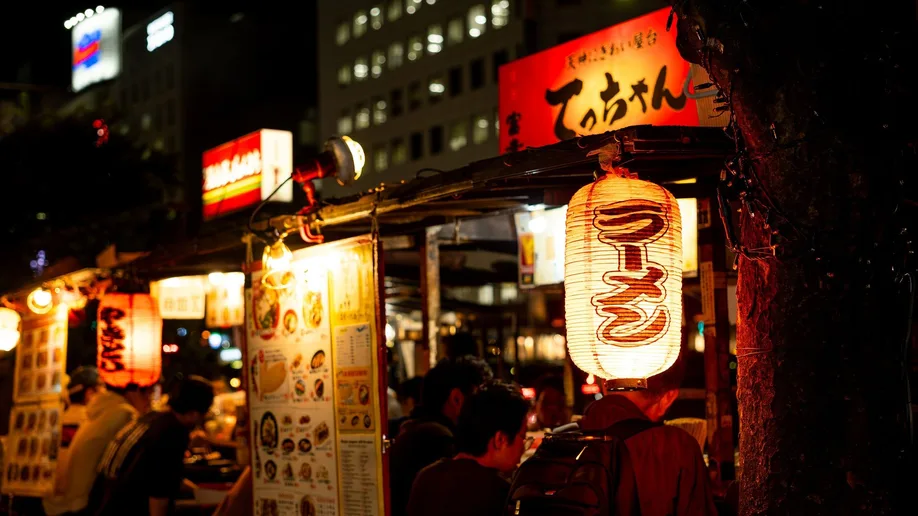


The vibrant city of Fukuoka is a natural entry point for most people visiting Kyushu and a haven for food lovers. Head to the Naka River at night and experience the exciting atmosphere where smoke and enticing aromas rise from the many yatai (food stalls), their lanterns casting a warm glow on hungry patrons, and passionate chefs from many walks of life serving different forms of soul food. Here, you can savour a wide range of local specialities such as Hakata ramen, with its rich, pork-bone broth and thin noodles, as well as timeless salaryman favourites such as yakitori, motsunabe (offal hotpot) and gyoza.
Discover another of Kyushu's unique flavours in the mountains of Saga Prefecture. The charming hot-spring town Ureshino is renowned all over the country thanks to its smooth, light green tea, characterised by its depth of flavour and aromatic fragrance. On the outskirts of the town, emerald-green slopes stretch as far as the eye can see. For an immersive experience in tea tourism, delve into Ureshino's rich tea culture with a visit to Ureshino Tea Exchange Museum. There, you can experience first-hand the meticulous process of cultivating this prized tea by picking the uniquely shaped leaves before roasting them. They also have a modern tea-room where you can savour the local flavours in a relaxing setting.
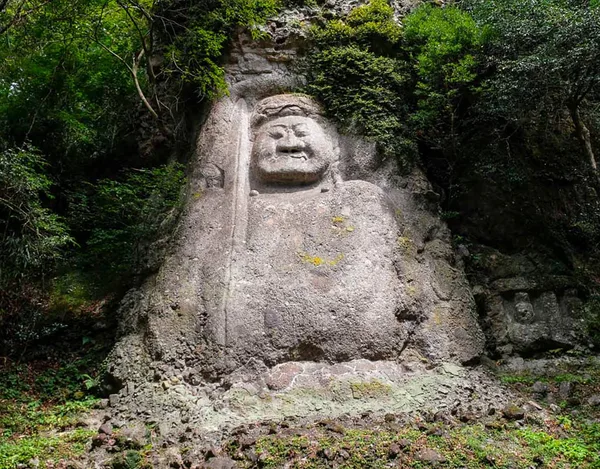
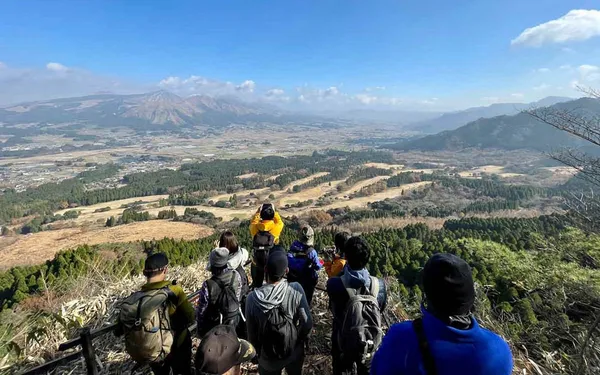
Oita prefecture is a haven for nature lovers and spirituality seekers. For experienced hikers, the Kunisaki Peninsula Minemichi Long Trail is a must. This historic route, once used for ascetic training, connects ancient temples and sacred sites nestled amid lush forests and dramatic cliffs. Panoramic vistas of the rugged coastline unfold before your eyes, offering a glimpse into the island's spiritual heart. At approximately 135km, hiking the entire trail is a challenge for even the most seasoned hiker, but thankfully there are several shorter sections that can be enjoyed in a day. The most popular of these is the "K-1" course, an 11km route that winds through impressive landscapes, passing scenic shrines, tranquil temples and serene ponds.
After your hike, wind down in the picturesque onsen town of Yufuin, strolling along its lively shopping street, Yunotsubo Kaido, lined with traditional craft shops, art galleries, restaurants and cafes. Indulge in local delicacies like “Toriten” (chicken tempura) and enjoy the relaxed ambiance. For a moment of serenity, don't miss the naturally occurring beauty of Lake Kinrin, where the waters blend hot spring and cold spring water, creating an ethereal morning mist. Of course, no trip to Yufuin is complete without a visit to a traditional onsen, where you can relax in the waters and emerge refreshed and rejuvenated.
Another location where you can feel the spirit of the living earth evoke your innermost awe and wonder is the Aso Caldera, one of the world's largest volcanic calderas and a designated Unesco Global Geopark. This area boasts a diverse range of landscapes, a paradise for those who want to hike to the rim of the active volcano Mount Nakadake, where you can peer into the depths of its vast 4km crater and witness the Earth's fiery breath. Explore the Kusasenri plateau, a vast, peaceful grassland where horses graze. Amid this tranquil scene, it's easy to forget that this very ground has trembled under countless violent eruptions throughout history. It's important to remember that the area is still highly active and eruptions still occur every few years, so make sure to check if any alerts or warnings are in place before visiting.
If you want to experience more of Kyushu's dramatic scenery, visit the Ebino Highlands, part of the Kirishima-Kinkowan National Park, where volcanic landscapes and stunning views await. Challenge yourself with a hike to the summit of Mount Karakuni, the highest peak in the Kirishima mountain range or explore the trails around the vibrant volcanic lakes dotting the area. On the opposite side of the national park, you will find Kirishima Jingu Shrine, a place that embodies a blend of spiritual serenity and mythology. It is said to have once been the ruling site of Ninigi no Mikoto, the grandson of the sun goddess Amaterasu.
Escape the crowds and discover Kyushu, an often overlooked, yet easily accessible part of Japan, where ancient traditions meet vibrant modern life. From impressive castles and serene temples to unspoiled landscapes and bustling night markets, Kyushu offers a unique journey rooted in nature, promising a truly unforgettable adventure.
Produced for Kyushu Tourism Organization by BBC StoryWorks Commercial Productions
See all the content in this series here.